MENU


Copyright © Pivotal Works Ltd 2025



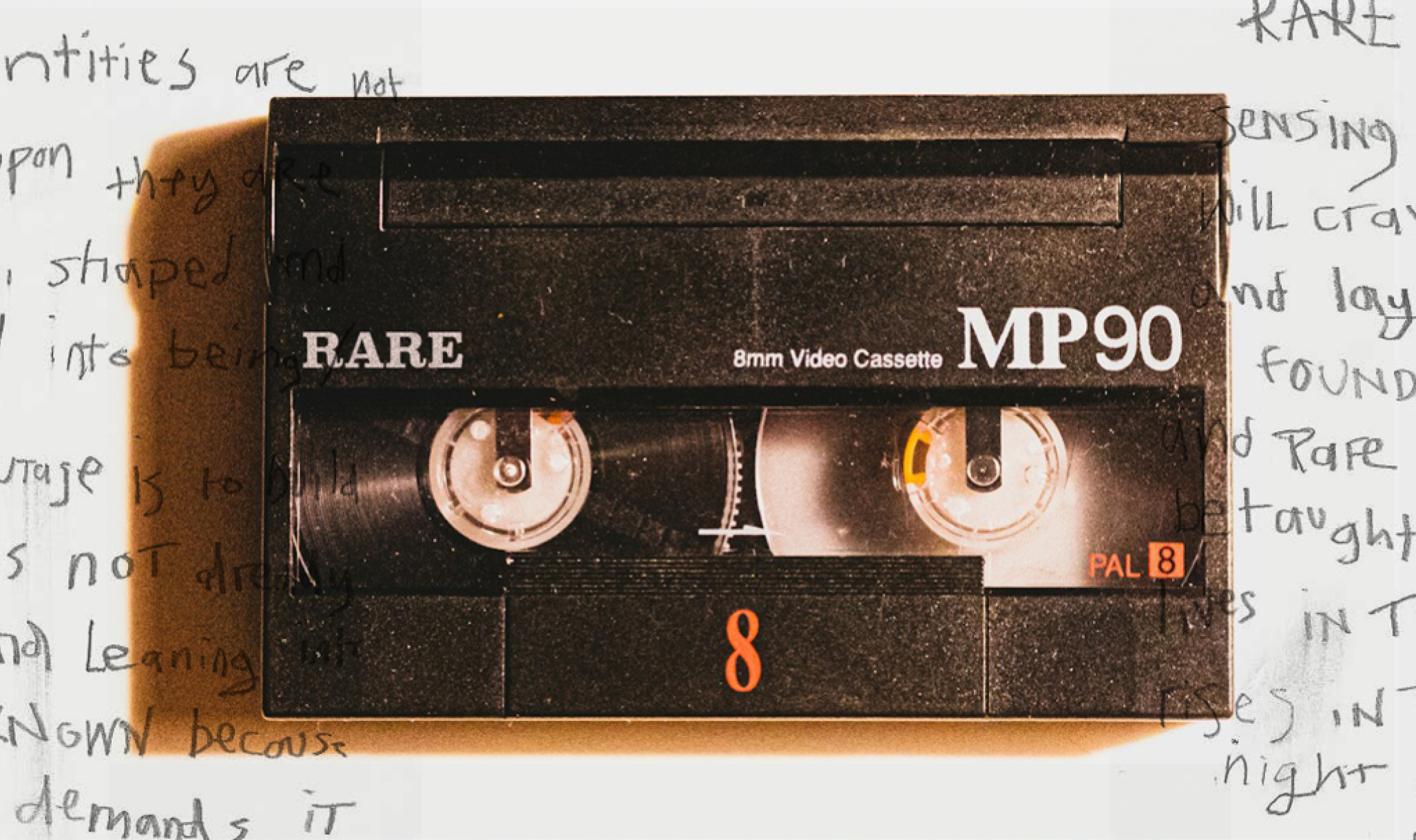
We at pivotal have an important partnership with Rare. And when I say important, I do not mean “nice logo, friendly meetings, see you at a panel”. I mean the kind of partnership where things actually get built.
Rare is right in the thick of it. A very current company creating new IP and launching genuinely ambitious ventures in culture: music, experiences, platforms, formats. The sort of ideas that make you sit up slightly straighter when you hear them, because you can feel they are pointing forward rather than sideways.
What Rare is particularly good at is the hard, slippery bit. The thinking. The strategic judgement call on what should exist in the first place. What is worth backing. What has cultural pull. What will still matter when the noise dies down. That kind of clarity is indeed rare, which is probably not an accident.
Our role at Pivotal is to take that clarity and make it real. Pivotal is Rare’s launch and scale partner. We are the people who turn strategy into something you can actually touch, use, and experience without it falling over. Not by adding noise, but by adding capability.
Because once Rare has decided where something should go, the questions come thick and fast. How does the technology work? How does the product feel? What does the brand actually look like when it leaves the deck? How do you test it without breaking it? How do you market it without turning it into something embarrassing? How do you scale it without losing the thing that made it interesting in the first place?
This is where we earn our keep.
We build technology properly. Platforms, products, and systems designed to work when real people turn up in real numbers and do unexpected things. No duct tape. No “we will fix that later”. Things built to last.
We design products around real behaviour. How people actually move, click, listen, watch, and decide. If it is confusing, slow, or feels like hard work, it is wrong. Culture does not wait patiently while you explain your UX.
We test early and often. Real users, real feedback, real learning. Not opinions shouted loudest in a room. Evidence. Then we iterate, calmly, without ego. We obsess over data and analytics because vibes are not a growth strategy. Knowing what is working, what is not, and why, is how you make better decisions faster and avoid very expensive mistakes.
Brand is another big one. Pivotal builds brand identities that feel culturally sharp but are structurally sound. Not just something that looks great on launch day, but a system that can stretch, evolve, and scale without turning into a mess.
Marketing then becomes about understanding people properly. Research. Customer insight. Knowing where audiences are, what they care about, and how to speak to them without sounding like a brand trying too hard to be invited to the party.
All of this feeds into commercial execution. Pricing that makes sense. Offers people actually want. Launches that build momentum instead of blowing it all in week one. Scale that is intentional, not accidental.
The important thing is that this works because the roles are clear. Rare sets the direction. The strategy. The cultural intent. Pivotal makes sure it is built, launched, and scaled by people who have done it before and know where things usually break.
The important thing is that this works because the roles are clear. Rare sets the direction. The strategy. The cultural intent. Pivotal makes sure it is built, launched, and scaled by people who have done it before and know where things usually break. It is a proper partnership. Vision paired with execution. Taste paired with delivery.
And in a world full of great ideas that never quite make it out of the room, that combination turns out to be rather powerful indeed.